Work Hours: Mon - Sat, 10am - 6pm
greenfamilylabs@email.com

1111111111111111111111
111111111111111111
Introduction The cannabis industry has experienced unprecedented growth in recent years, but this expansion comes with significant environmental challenges. From high energy consumption and water usage to chemical runoff and packaging waste, traditional cannabis cultivation methods can leave a substantial ecological footprint. However, as consumers become increasingly eco-conscious, cultivators and brands are reimagining their approach […]


The cannabis industry has experienced unprecedented growth in recent years, but this expansion comes with significant environmental challenges. From high energy consumption and water usage to chemical runoff and packaging waste, traditional cannabis cultivation methods can leave a substantial ecological footprint. However, as consumers become increasingly eco-conscious, cultivators and brands are reimagining their approach to cannabis production with sustainability at the forefront.
This shift isn’t just good for the planet—it’s becoming essential for business success as consumers seek products that align with their values. Let’s explore how innovative brands are leading the charge toward a greener cannabis future, the sustainable practices they’re implementing, and the exceptional strains being produced through these eco-friendly methods.
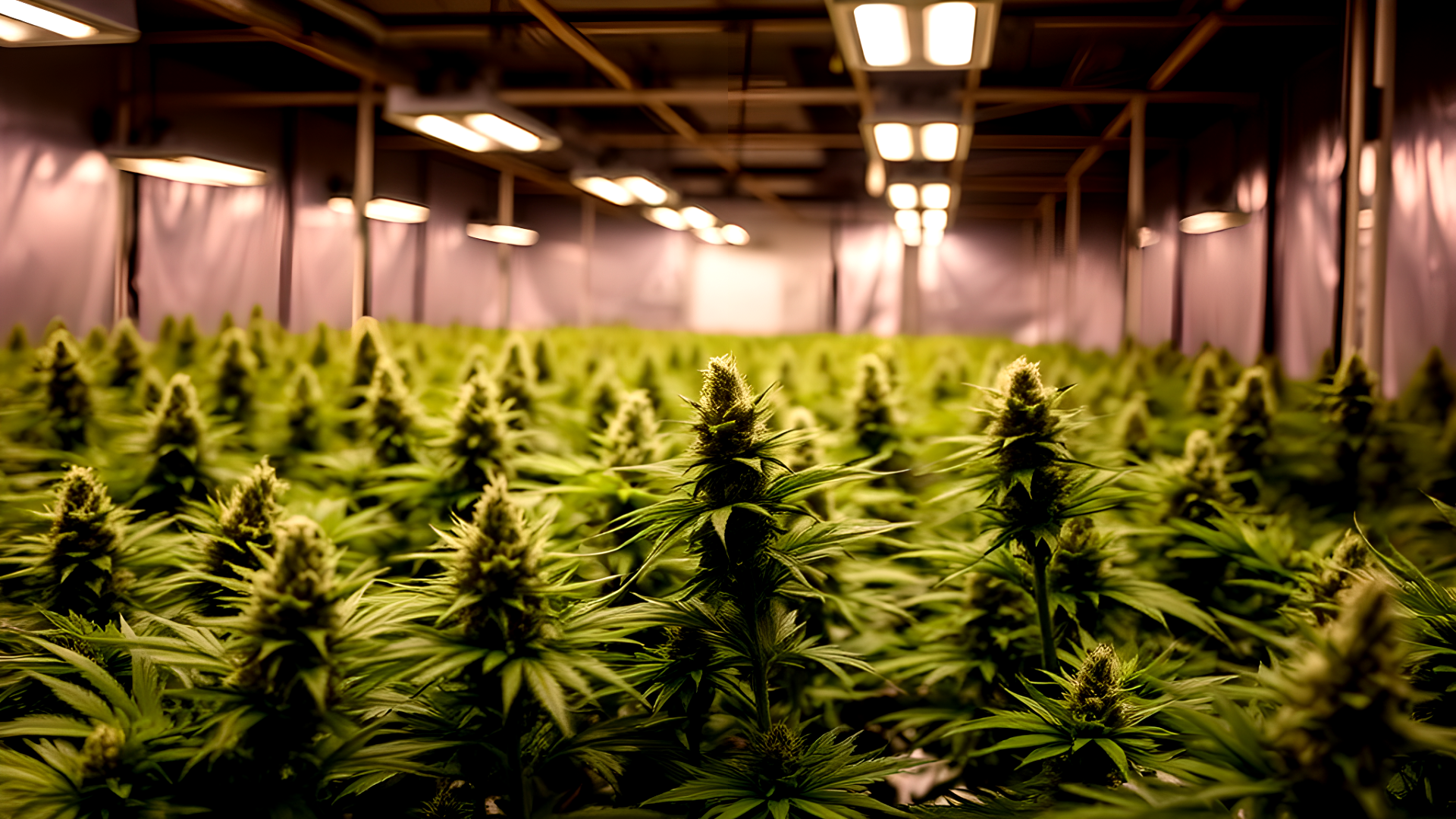
Traditional indoor cannabis cultivation is notoriously energy-intensive. High-powered grow lights, climate control systems, and ventilation equipment can consume as much electricity as 29 refrigerators per square foot of growing space, according to a 2021 study published in Nature Sustainability. In fact, indoor cannabis cultivation is estimated to account for about 1% of total electricity use in the United States.
Cannabis plants are thirsty, with some estimates suggesting that a single plant can require up to 6 gallons of water per day during growing season. In drought-prone regions like California, which produces a significant portion of America’s legal cannabis, water conservation is a critical concern.
Conventional cannabis cultivation often relies on synthetic fertilizers, pesticides, and fungicides that can contaminate soil and waterways. These chemicals not only harm local ecosystems but can also find their way into the final product, raising health concerns for consumers.
From single-use growing media to excessive packaging, cannabis production generates significant waste. According to cannabis sustainability certification program Sun+Earth, the industry produces an estimated 150 million tons of waste annually in the United States alone.
Regenerative farming goes beyond sustainability to actively improve the environment. This approach focuses on building soil health, enhancing biodiversity, and sequestering carbon.
Brand Spotlight: Flow Gardens
Tennessee-based Flow Gardens has embraced regenerative practices in their cultivation of high-CBD and CBG cannabis varieties. Their approach includes:
Their signature strain, Flow, is a balanced 1:1 CBD:THC cultivar that benefits from these practices, exhibiting exceptional terpene profiles and robust resistance to pests and diseases.
Innovative water management systems are helping cultivators dramatically reduce their water footprint.
Brand Spotlight: Canndescent
California-based Canndescent invested in a cutting-edge water reclamation system that recaptures up to 90% of irrigation water for reuse. Their Desert Hot Springs facility employs:
Their water-efficient growing methods contribute to the exceptional quality of their Calm strain, an indica-dominant variety known for its smooth flavor profile and relaxing effects.
Shifting from fossil fuels to renewable energy sources significantly reduces the carbon footprint of cannabis operations.
Brand Spotlight: East Fork Cultivars
Oregon’s East Fork Cultivars powers their operation with a combination of solar panels and micro-hydro technology from a nearby creek. Their energy initiatives include:
Their CBD-rich Sour Tsunami strain, grown under these sustainable conditions, has gained recognition for its consistent cannabinoid profile and effectiveness for pain relief.
Rejecting synthetic inputs in favor of natural soil biology creates healthier plants and ecosystems.
Brand Spotlight: L’Eagle Services
Denver-based L’Eagle Services pioneered clean cannabis cultivation with their certified organic approach, featuring:
Their Bio-Diesel strain, grown in this living soil system, has earned awards for its complex terpene profile and clean, potent effects.
Packaging waste presents a significant sustainability challenge for the cannabis industry, but innovative companies are finding solutions.
Brand Spotlight: Sana Packaging
While not a cultivator, Sana Packaging partners with cannabis brands to provide sustainable packaging solutions made from:
Brand Spotlight: Glass House Farms
California’s Glass House Farms has partnered with Sana Packaging to create a closed-loop packaging system for their premium flowers, including their renowned Super Silver Haze strain. Their sustainability initiatives include:
Several organizations have developed standards and certifications to help consumers identify truly sustainable cannabis products.
This rigorous certification requires:
Brand Spotlight: Huckleberry Hill Farms
This multi-generational family farm in Humboldt County, California, carries Sun+Earth certification for their exceptional sustainable practices, including:
Their signature strain, Dragon’s Milk, is grown in native soil enriched with homemade compost and benefits from diverse companion plants that create a balanced ecosystem.
Modeled after USDA Organic standards (which cannot yet be applied to cannabis due to federal prohibition), Clean Green certification verifies:
Brand Spotlight: Dr. Bronner’s Brother David’s
Founded by David Bronner of Dr. Bronner’s soap fame, Brother David’s works exclusively with regenerative Sun+Earth certified farms. Their commitment includes:
Their curated line of flower includes exceptional regeneratively-grown strains like Lemon OG Kush and Purple Punch.
These closed-loop systems combine fish farming with hydroponic cannabis cultivation, creating a symbiotic relationship that minimizes inputs and waste.
Brand Spotlight: Aquaponics Designs
Though primarily a system design company, Aquaponics Designs has pioneered commercial-scale aquaponic cannabis production featuring:
Cannabis grown in these systems, like their showcase strain Aqua Kush, exhibits exceptional terpene preservation and clean flavors.
Leveraging natural sunlight dramatically reduces energy consumption while producing exceptional quality cannabis.
Brand Spotlight: Emerald Spirit Botanicals
This Northern California cultivator embraces full-sun farming enhanced by:
Their Emerald Spirit OG strain demonstrates how sustainable outdoor cultivation can produce cannabis with extraordinary cannabinoid and terpene profiles.
Universities and research institutions are increasingly studying sustainable cannabis cultivation methods, developing new technologies, and quantifying environmental impacts.
Research Spotlight: Berkeley Cannabis Research Center
The Cannabis Research Center at UC Berkeley is investigating:
New technologies are continually being developed to improve sustainability in cannabis cultivation.
Tech Spotlight: Resource Innovation Institute
This non-profit organization is advancing:
Consumers drive demand for sustainable cannabis products through their purchasing decisions. When shopping for environmentally friendly cannabis, look for:
The cannabis industry stands at a pivotal moment where sustainable practices are not just an ethical choice but increasingly a business necessity. As consumers become more environmentally conscious, brands that embrace regenerative agriculture, water conservation, renewable energy, and sustainable packaging will likely gain competitive advantages while contributing to a healthier planet.
By supporting these forward-thinking brands and their exceptional strains, consumers can enjoy premium cannabis products while knowing their purchases are helping to shape a more sustainable industry. From soil to shelf, the future of cannabis is undeniably green—in more ways than one.
You must be logged in to post a comment.