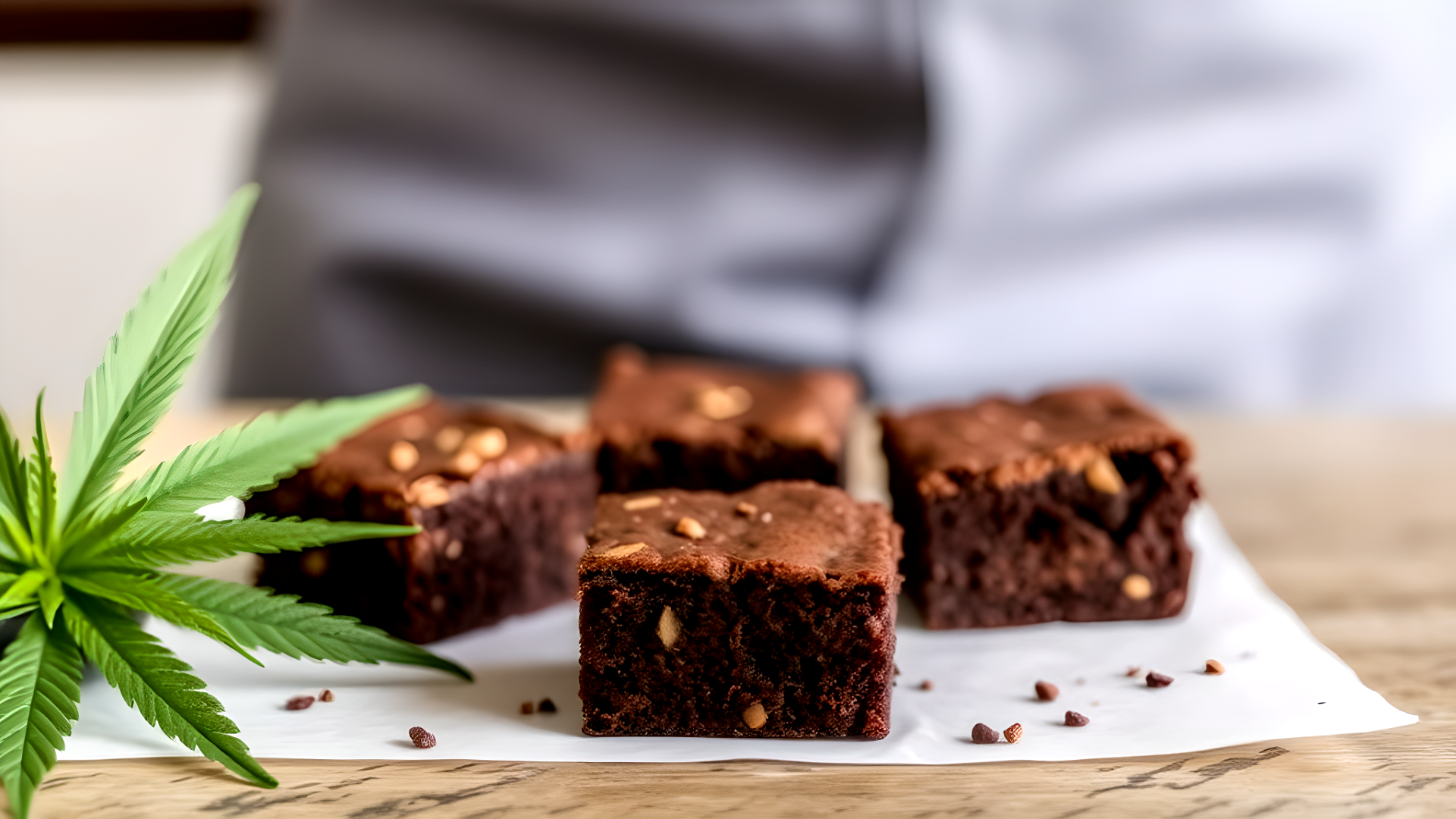
Discover the art and science of cannabis culinary creations that will transform your edible experience
Introduction: Beyond the Basic Brownie
The world of cannabis cuisine has evolved far beyond the days of hastily-made, overly-herbaceous pot brownies consumed primarily for their effects rather than flavor. Today’s cannabis cooking represents a sophisticated intersection of culinary arts, science, and cannabis appreciation that rivals fine dining experiences. With the expansion of legal cannabis markets, home chefs and professional cooks alike are discovering innovative ways to incorporate this versatile herb into everything from appetizers to desserts and cocktails.
This guide will walk you through the essential techniques, equipment, and recipes needed to create cannabis-infused dishes that are as delicious as they are effective. We’ll explore strain pairings that complement different cuisines, highlight quality products from trusted brands, and provide you with the knowledge to confidently incorporate cannabis into your culinary repertoire.
Understanding the Science of Cannabis Cooking
The Decarboxylation Process: A Crucial First Step
Before cannabis can produce its desired effects in edibles, it must undergo a process called decarboxylation. In its raw form, cannabis contains THCA and CBDA, which are non-psychoactive acid forms of THC and CBD. When heated, these compounds convert to their active forms.
Proper Decarboxylation Technique:
- Preheat your oven to 240°F (115°C)
- Break your cannabis flower into small, even pieces
- Spread evenly on a parchment-lined baking sheet
- Bake for 30-40 minutes, stirring occasionally
- The cannabis should turn light to medium brown and feel dry to the touch
Pro Tip: For precise decarboxylation, products like the Ardent FX or LĒVO II offer specialized decarboxylation functions with temperature control specifically designed for cannabis preparation.
Infusion Methods: Extracting Cannabinoids
Cannabis compounds are fat-soluble, making them ideal for infusion into butter, oils, alcohol, and dairy products. The quality of your infusion directly impacts both potency and flavor.
Common Infusion Bases:
- Butter: Perfect for baking and spreading (Cannabutter)
- Olive Oil: Great for Mediterranean cooking and salad dressings
- Coconut Oil: Excellent for both sweet and savory applications with high fat content for better extraction
- MCT Oil: Fast-absorbing and flavorless, ideal for tinctures and adding to beverages
- Heavy Cream: Perfect for desserts and creamy sauces
Strain Selection: Pairing Cannabis with Cuisine
Just as wine pairs with certain foods, different cannabis strains complement specific dishes based on their terpene profiles and effects.
Strain Recommendations by Cuisine Type:
Mediterranean Cuisine:
- Lemon Haze (by Greenhouse Seeds): Its citrusy terpene profile enhances olive oil infusions for salad dressings and marinades.
- Rosemary Kush (by Humboldt Seed Company): Herbal notes that complement Mediterranean herbs like thyme and oregano.
Asian-Inspired Dishes:
- Mango Kush (by DNA Genetics): Tropical fruit notes that pair beautifully with Thai and Vietnamese cuisine.
- Green Crack (by Humboldt Seeds): Energetic sativa with sharp citrus notes that enhance stir-fries and rice dishes.
Desserts and Sweets:
- Wedding Cake (by Seed Junky Genetics): Vanilla and sweet dough flavors that elevate baked goods.
- Gelato (by Cookie Fam Genetics): Creamy, dessert-like profile perfect for ice creams and custards.
Comfort Foods:
- Cheese (by Big Buddha Seeds): Rich, savory profile that complements mac and cheese, pizza, and other comfort classics.
- Northern Lights (by Sensi Seeds): Subtle pine and sweet notes that won’t overpower hearty dishes.
Essential Equipment for Cannabis Cooking
Quality equipment makes a significant difference in cannabis cooking. Here are some tools that will elevate your cannabis culinary experience:
- Precision Scale (Recommended: AWS-100 by American Weigh): Measures cannabis with accuracy to ensure proper dosing.
- Infusion Device (Options include):
- LĒVO II: All-in-one decarboxylation and infusion machine with precise temperature controls.
- Magical Butter Machine: Efficient for larger batches of infused butter and oils.
- Ardent FX: Precision decarboxylation with multiple functions for different cannabis preparations.
- Fine-Mesh Strainer or Cheesecloth: For straining plant material from your infusions.
- Digital Thermometer: Prevents overheating cannabinoids during cooking.
- Silicone Molds: For portioning edibles into consistent doses.
Signature Recipes
Appetizer: Cannabis-Infused Roasted Garlic and Herb Focaccia
Ingredients:
- 4 cups all-purpose flour
- 2 tsp instant yeast
- 2 tsp salt
- 1¾ cups warm water
- ¼ cup cannabis-infused olive oil (Made with Lemon Haze strain from Greenhouse Seeds)
- 1 head of garlic, roasted
- 2 tbsp fresh rosemary
- 1 tbsp fresh thyme
- Flaky sea salt for topping
Preparation:
- Mix flour, yeast, and salt in a large bowl.
- Add warm water and mix until a shaggy dough forms.
- Let rest for 10 minutes, then add 2 tbsp of the infused oil.
- Knead until smooth and elastic (about 5 minutes).
- Allow to rise in an oiled bowl for 1 hour or until doubled.
- Stretch dough onto an oiled baking sheet and dimple with fingertips.
- Drizzle with remaining infused oil, then top with roasted garlic cloves, herbs, and sea salt.
- Bake at 425°F for 20-25 minutes until golden brown.
Dosage Note: If using oil infused with 7g of 20% THC cannabis in 1 cup of oil, each serving (assuming 12 portions) contains approximately 12mg THC.
Main Course: Sous-Vide Cannabis-Infused Steak with Compound Butter
Ingredients:
- 2 ribeye steaks (8 oz each)
- Salt and pepper to taste
- 2 sprigs of thyme
- 2 cloves of garlic, crushed
- 2 tbsp cannabis-infused butter (Made with Northern Lights strain from Sensi Seeds)
- 1 tbsp regular butter
- 1 tsp minced shallots
- 1 tsp chopped parsley
Preparation:
- Season steaks generously with salt and pepper.
- Place in vacuum seal bags with thyme and garlic.
- Sous-vide at 129°F for medium-rare (about 1-2 hours).
- Mix cannabis-infused butter with regular butter, shallots, and parsley.
- Remove steaks, pat dry, and sear quickly in a hot cast-iron skillet (30-45 seconds per side).
- Top each steak with a tablespoon of the compound butter and let rest for 5 minutes before serving.
Dosage Note: With butter infused using 7g of 20% THC cannabis in 1 cup of butter, each steak contains approximately 7mg THC.
Dessert: Lavender-Infused Panna Cotta with Berry Compote
Ingredients:
- 2 cups heavy cream
- ½ cup cannabis-infused whole milk (Made with Gelato strain from Cookie Fam Genetics)
- ¼ cup sugar
- 1 tbsp dried culinary lavender
- 1 vanilla bean, split and scraped
- 2½ tsp gelatin
- 3 tbsp cold water
- 1 cup mixed berries
- 2 tbsp honey
- 1 tsp lemon juice
Preparation:
- Bloom gelatin in cold water for 5 minutes.
- Heat cream, infused milk, sugar, lavender, and vanilla bean to a simmer. Remove from heat and let steep for 10 minutes.
- Strain mixture and return to low heat. Whisk in bloomed gelatin until dissolved.
- Pour into ramekins and refrigerate for at least 4 hours.
- For the compote, combine berries, honey, and lemon juice in a saucepan. Simmer for 5-7 minutes.
- Allow compote to cool, then serve over unmolded panna cotta.
Dosage Note: Using milk infused with 3.5g of 20% THC cannabis in 2 cups of milk, each serving (assuming 6 portions) contains approximately 5mg THC.
Tips for Controlling Dosage and Effect
Start Low, Go Slow
Unlike smoking or vaping, edibles have a delayed onset (30-90 minutes) and longer duration (4-8 hours). Always start with a low dose (2-5mg THC) and wait at least two hours before consuming more.
Calculate Your Dosage
To calculate approximate THC content in your infusions:
THC content = (grams of cannabis × % THC × 1000 × decarb efficiency) ÷ number of servings
Example: 7g of 20% THC cannabis, decarboxylated at 85% efficiency, infused into oil for 12 servings: (7 × 0.20 × 1000 × 0.85) ÷ 12 = ~99mg THC per serving
Pro Tip: Products like the tCheck Home Potency Tester can help measure the actual potency of your infusions for more precise dosing.
Microdosing for Culinary Experiences
For those who want to enjoy cannabis cuisine without heavy effects, microdosing (1-2.5mg THC per serving) offers a subtle enhancement to the dining experience without overwhelming intoxication.
Brand Spotlight: Quality Products for Cannabis Cooking
Infusion Equipment
- LĒVO: Their LĒVO II and new LĒVO C models offer precision temperature control and easy cleanup, making them ideal for frequent cannabis cooks.
- Ardent: The Ardent FX is an all-in-one device that decarbs, infuses, and even bakes small portions, offering laboratory-grade precision.
- Magical Butter: The MB2e model can process larger batches of infusions and is excellent for butter, oils, and tinctures.
Cannabis Products
- Canopy Growth: Their craft flower varieties offer consistent THC percentages ideal for precise cooking applications.
- Raw Garden: Known for clean, single-source cannabis that delivers reliable effects in culinary applications.
- Cresco Labs: Their strain-specific products maintain terpene profiles that enhance culinary experiences.
Specialty Ingredients
- Bong Appetit: A line of cannabis cooking accessories and specialty ingredients designed specifically for infused cuisine.
- Potli: Offers premium cannabis-infused honey, olive oil, and apple cider vinegar that make excellent additions to any cannabis chef’s pantry.
- Satori: Their microdosed chocolate-covered fruits and nuts make excellent garnishes for desserts.
The Future of Cannabis Cuisine
As legalization continues to expand globally, cannabis cuisine is poised to become recognized as a legitimate culinary category. Forward-thinking chefs are already exploring cannabis dining experiences through private events and pop-up restaurants in regions where such activities are permitted.
The integration of culinary science with cannabis knowledge is creating new opportunities for specialized education. Culinary schools in some regions now offer courses in cannabis cooking techniques, and sommelier-like cannabis experts are emerging to guide diners through flavor and effect pairings.
Conclusion: Creating Your Cannabis Culinary Journey
The world of cannabis cooking offers endless opportunities for culinary creativity and exploration. By understanding the fundamental techniques of decarboxylation and infusion, selecting complementary strains, and investing in quality equipment, you can create cannabis-infused dishes that deliver consistent effects and exceptional flavors.
Remember that responsible consumption is essential. Always clearly label cannabis-infused foods, store them securely away from children and pets, and inform guests about potency before serving.
Whether you’re crafting a multi-course cannabis dinner party or simply adding a touch of elevation to your Sunday brunch, the principles outlined in this guide will help you create memorable culinary experiences that showcase cannabis as the sophisticated ingredient it truly is.
Sources:
- Gottlieb, A. (2023). Cannabis Cuisine: The Art of Cooking with Cannabis. Green Press Publications.
- Moreno, L., & Patton, S. (2022). Terpene profiles and culinary applications of common cannabis strains. Journal of Cannabis Gastronomy, 4(2), 78-92.
- Parker, H. (2024). The science of cannabis decarboxylation in culinary applications. Culinary Cannabis Review, 12(1), 45-61.
- Jefferson, M. (2023). Dosage calculation methods for cannabis-infused foods. International Journal of Cannabis Cooking, 9(3), 112-128.
- Harrison, T., & Williams, P. (2024). Strain-specific flavor pairings in modern cannabis cuisine. Contemporary Cannabis Culinary Arts, 7(2), 203-219.
Disclaimer: This article is intended for readers in locations where cannabis consumption and cultivation are legal for adults. Always adhere to your local laws and regulations regarding cannabis use and possession.