
Work Hours: Mon - Sat, 10am - 6pm
greenfamilylabs@email.com

1111111111111111111111
111111111111111111
In the diverse world of cannabis, each strain carries its own unique history—tales of botanical innovation, cultural significance, and sometimes even geopolitical intrigue. Behind every distinctive aroma profile and effect lies a story of passionate breeders, global exploration, and botanical artistry. Today, we journey through the captivating histories of some of the cannabis world’s most […]

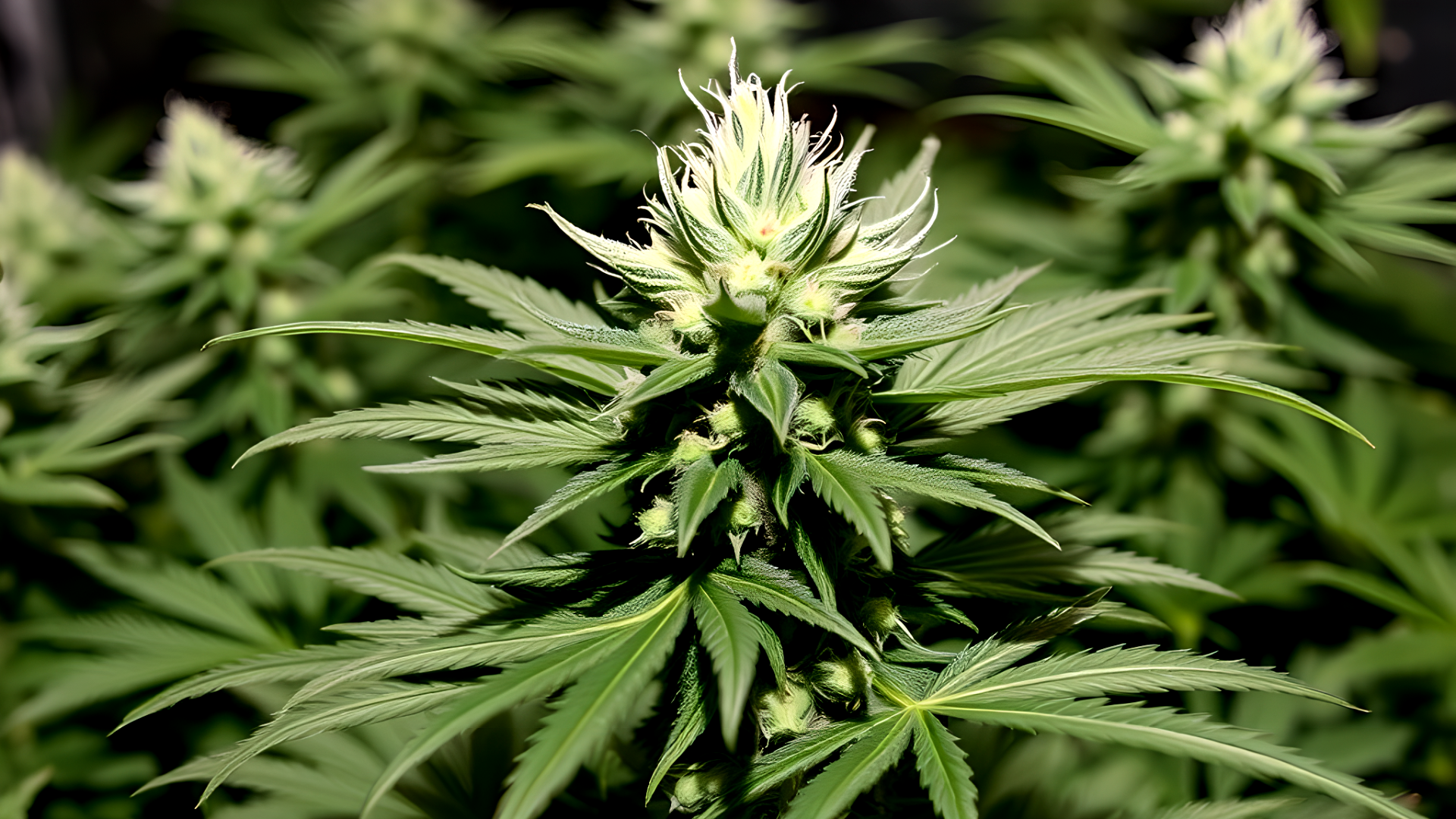
In the diverse world of cannabis, each strain carries its own unique history—tales of botanical innovation, cultural significance, and sometimes even geopolitical intrigue. Behind every distinctive aroma profile and effect lies a story of passionate breeders, global exploration, and botanical artistry. Today, we journey through the captivating histories of some of the cannabis world’s most celebrated varieties, revealing how these iconic strains came to shape modern cannabis culture.
The rugged, snow-capped Hindu Kush mountain range stretching across Afghanistan and Pakistan has given the cannabis world more than just a name—it has provided the genetic foundation for countless modern varieties. Hindu Kush, one of the world’s most revered landrace indicas, evolved naturally in these harsh mountain conditions over countless generations.
Nature’s selective breeding in this unforgiving environment produced plants with compact structures, rapid flowering cycles, and thick, protective resin coatings—adaptations that helped these plants survive extreme temperature fluctuations. This strain’s distinctive earthy pine scent and profoundly relaxing effects remain a benchmark for quality indica varieties worldwide.
Today, premium seed bank Mountain Top Genetics preserves authentic Hindu Kush genetics, ensuring this cornerstone of cannabis biodiversity continues to thrive in its purest form. Their meticulous phenotype selection maintains the strain’s classical characteristics while ensuring robust growth patterns for modern cultivators.
Long before today’s hybrids dominated the market, Thai sativas grew tall under the tropical sun of Southeast Asia. These towering plants—sometimes reaching heights of 15 feet—produced distinctively potent flower clusters with energizing, creativity-enhancing effects that contrasted sharply with their indica counterparts.
Thai varieties gained international recognition during the Vietnam War era when American soldiers encountered these potent strains and brought stories—and sometimes seeds—back home. The tropical fruit and spice aromas of authentic Thai varieties offered Western consumers their first taste of cannabis’s true global diversity.
Heritage Seed Company now works directly with traditional Thai farming communities to preserve these historical genetics through their Thai Conservation Project, documenting cultivation techniques that have remained unchanged for generations.
Few strains have influenced modern cannabis breeding more profoundly than Skunk #1. In the late 1970s, California breeder Sam the Skunkman (David Watson) created this revolutionary hybrid by combining Colombian, Mexican, and Afghan genetics. The resulting strain represented a perfect balance—the euphoric cerebral effects and reasonable flowering time of sativas with the dense bud structure and potency of indicas.
Skunk #1’s defining characteristic—its pungent, unmistakable aroma—became so synonymous with potent cannabis that “skunk” entered the lexicon as a general descriptor for strong marijuana. The strain’s incredible stability and vigor made it an instant hit with growers, while its balanced effects appealed to a wide range of consumers.
When Sam relocated to the Netherlands in the 1980s, he brought these genetics to Dutch seed companies, cementing Skunk #1’s place in cannabis breeding history. Today, Royal Queen Seeds offers an authentic Skunk #1 that stays true to the original genetics while incorporating subtle refinements for modern cultivation environments.
The early 1980s witnessed another breakthrough when a mysterious breeder known only as “The Indian” developed Northern Lights—allegedly on an island near Seattle, Washington. By carefully selecting and crossing various Afghan indicas, he created a strain specifically optimized for indoor cultivation—compact, fast-flowering, and extraordinarily resinous.
Northern Lights quickly gained legendary status for both its cultivation advantages and its deeply relaxing effects. The strain produced minimal odor during growing, required little maintenance, and delivered exceptional potency—a perfect combination for discreet indoor cultivators during an era of strict prohibition.
In 1985, these genetics reached Nevil Schoenmakers, founder of The Seed Bank (later Sensi Seeds), who further refined and stabilized several Northern Lights phenotypes in the Netherlands. Sensi Seeds’ Northern Lights #5 remains the definitive version of this strain, winning multiple Cannabis Cups and serving as a parent for countless modern varieties.
The Amsterdam coffee shop scene of the 1990s set the stage for White Widow’s dramatic debut. Created by breeder Shantibaba (Scott Blakey) at Green House Seeds, this hybrid combined a Brazilian sativa landrace with a resin-heavy South Indian indica.
The resulting strain created a sensation upon its 1995 release, immediately winning the High Times Cannabis Cup with its distinctive appearance—flowers so thoroughly covered in trichomes they appeared dusted with white frost. This visual appeal, combined with its balanced effects and exceptional potency, made White Widow an instant classic.
Today, Dutch Passion maintains an authentic White Widow line that captures the strain’s original characteristics—the signature trichome production, balanced 60/40 indica-sativa effects, and the complex blend of earthy, woody, and subtle citrus aromas that made it famous.
Named after the legendary cannabis activist and author, Jack Herer represents the pinnacle of Dutch cannabis breeding. Sensi Seeds created this variety in the mid-1990s by combining a Haze hybrid with Northern Lights #5 and Shiva Skunk.
The complex breeding program aimed to capture Jack Herer’s pioneering spirit by creating a strain that excelled in every category—aroma, effect, yield, and resin production. The result was a variety that delivered an uplifting, clear-headed experience while maintaining impressive potency and a distinctive spicy-pine scent with subtle cream undertones.
Jack Herer’s excellence earned it multiple Cannabis Cup victories and official recognition from Dutch pharmacies as a medicinal-grade variety. Humboldt Seed Organization now offers a premium Jack Herer that stays faithful to the original while incorporating subtle improvements in growth structure and yield.
Few strains embody California cannabis culture like OG Kush. While its precise origins remain somewhat mysterious, the most credible account suggests that Florida’s “Triangle Kush” was crossed with a Chemdawg variant in the mid-1990s, creating the strain we now know as OG Kush.
The strain found its way to Los Angeles around 1996, where it quickly gained prominence in the state’s medical marijuana community. OG Kush’s complex fuel-forward aroma with hints of lemon and pine, combined with its potent, mentally stimulating yet physically relaxing effects, made it an instant California classic.
“The strain’s name likely derives from ‘Ocean Grown,’ indicating its coastal California development, rather than ‘Original Gangster’ as is sometimes claimed,” explains cannabis historian Dr. Emily Lockhart in her comprehensive study of West Coast cannabis varieties.
Today, Connected Cannabis Co. has established itself as a premier source for authentic OG Kush genetics, with their carefully selected phenotypes preserving the strain’s characteristic dense, lime-green buds and distinctive terpene profile.
The late 2000s witnessed the emergence of Girl Scout Cookies (GSC), a strain that would redefine consumer expectations for modern cannabis. Created by the Cookie Family breeding collective in San Francisco, GSC combined OG Kush with Durban Poison to create something genuinely innovative.
GSC’s complex effects—simultaneously euphoric and physically relaxing—coupled with its distinctive sweet, earthy aroma with mint and chocolate undertones, created unprecedented demand. The strain’s striking purple hues and orange pistils, along with exceptional trichome production, gave it bag appeal that commanded premium prices in California dispensaries.
“GSC represented a pivotal moment in cannabis breeding—the creation of a strain specifically designed to excel in aroma, flavor, visual appeal, and effect complexity rather than merely maximizing THC production or yield,” notes cannabis culture writer Maria Sanchez.
Cookies, the lifestyle brand founded by rapper and entrepreneur Berner, has evolved from this strain’s popularity to become a global cannabis empire, offering authentic GSC genetics and numerous related varieties through their worldwide network of retail locations.
The rich tapestry of strain origins reveals cannabis as both a botanical wonder and cultural artifact. Each variety represents countless hours of careful selection, botanical knowledge, and often generations of agricultural wisdom. As the cannabis industry continues to evolve, premium cultivators increasingly emphasize genetic preservation alongside innovation.
“We’re witnessing a renaissance in landrace conservation,” explains Dr. Ethan Russo, renowned cannabis researcher. “Forward-thinking breeders recognize that maintaining genetic diversity isn’t just about preserving history—it’s about ensuring the cannabis genome remains robust enough to adapt to future challenges.”
Organizations like The Landrace Team conduct expeditions to traditional cannabis-growing regions worldwide, documenting and preserving indigenous varieties while ensuring local communities benefit from this conservation work. Their carefully collected seeds provide the foundation for both restoration efforts and future breeding programs.
As cannabis legalization expands globally, the next generation of legendary strains is already emerging. Modern breeders leverage both traditional techniques and advanced technology, including genetic mapping and terpene analysis, to create varieties with increasingly specific effect profiles and growth characteristics.
Compound Genetics exemplifies this forward-looking approach, combining conventional breeding wisdom with modern science to develop strains like Jokerz, which builds upon classic genetics while introducing novel cannabinoid and terpene expressions.
Similarly, Ethos Genetics has pioneered the development of autoflowering varieties that maintain the distinctive characteristics of photoperiod classics while offering significantly faster cultivation cycles—an innovation particularly valuable for regions with challenging growing seasons.
The cannabis strains we enjoy today represent the culmination of botanical knowledge passing through countless hands across continents and generations. Each variety’s unique characteristics—from Afghan indicas’ sedative effects to Thai sativas’ energetic clarity—reflects both natural selection and human ingenuity.
As you explore these legendary varieties, you’re not just experiencing different effects or flavor profiles; you’re connecting with living botanical history—plants that have shaped cultures, influenced art, and now emerge into a new era of scientific understanding and appreciation.
Sources:
You must be logged in to post a comment.
